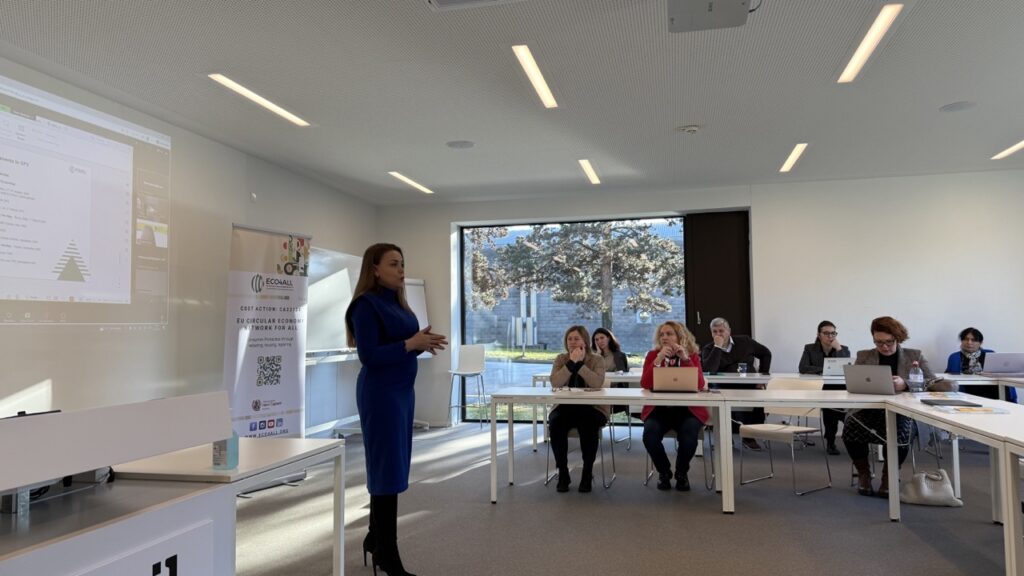
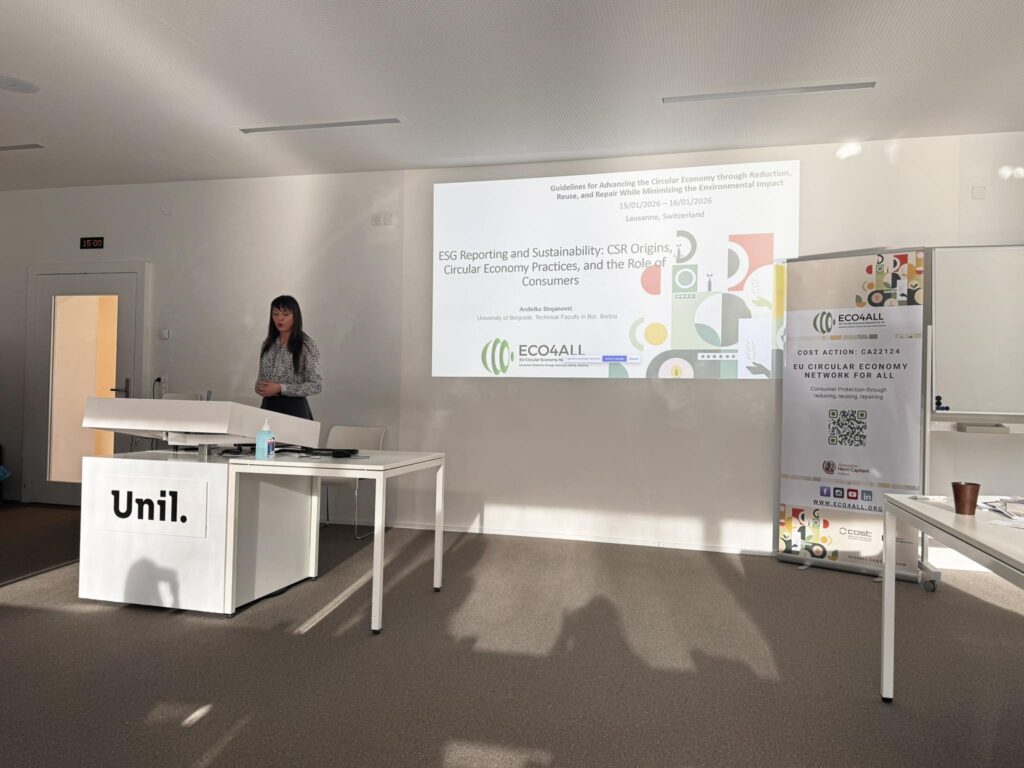
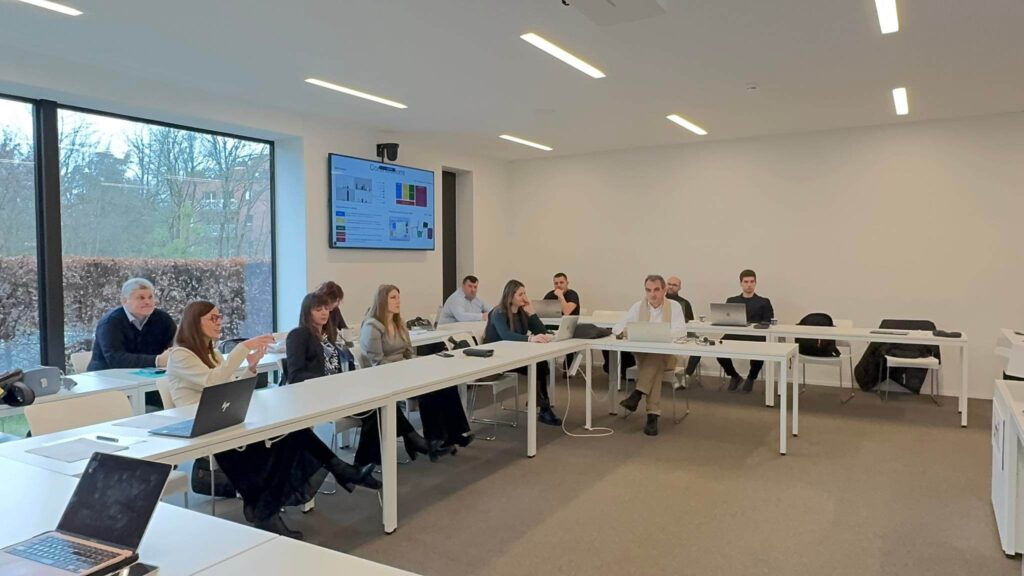
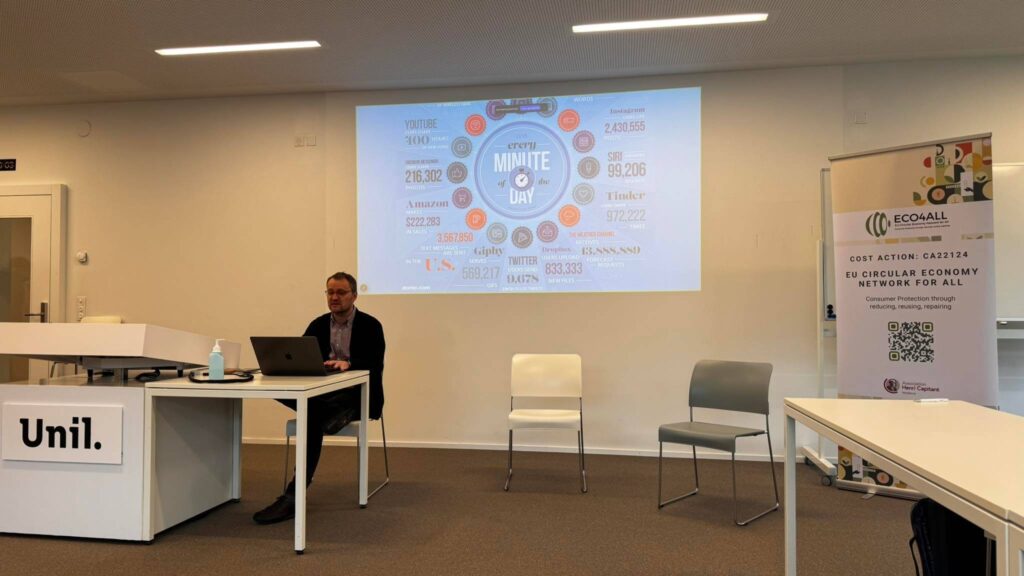
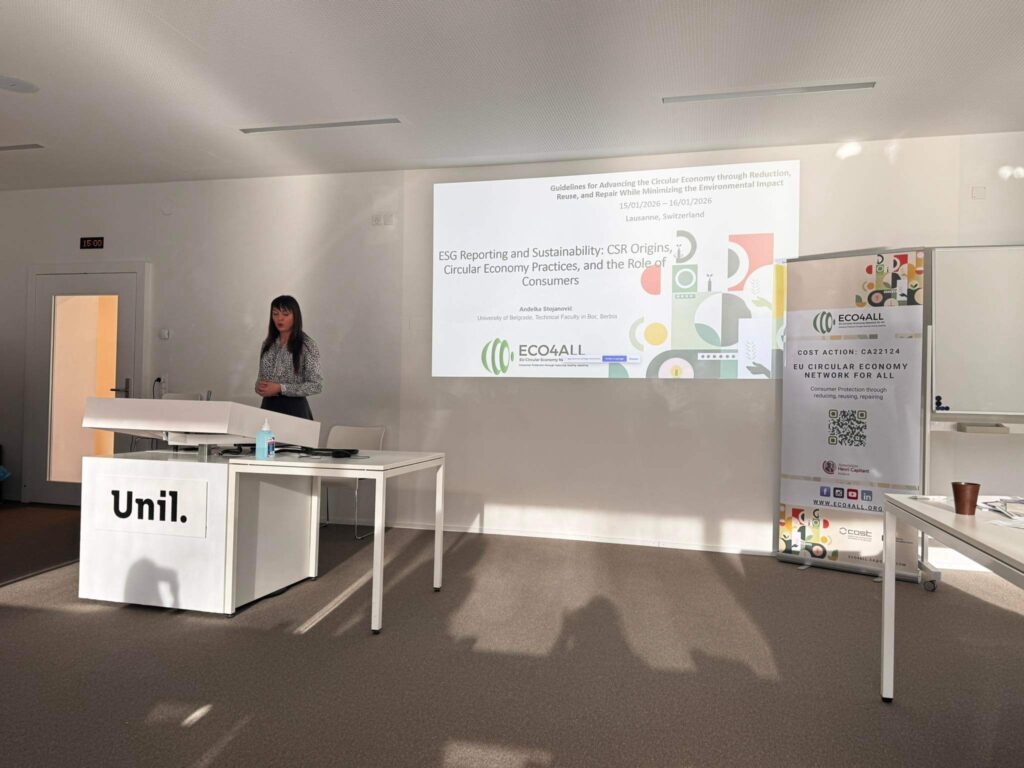
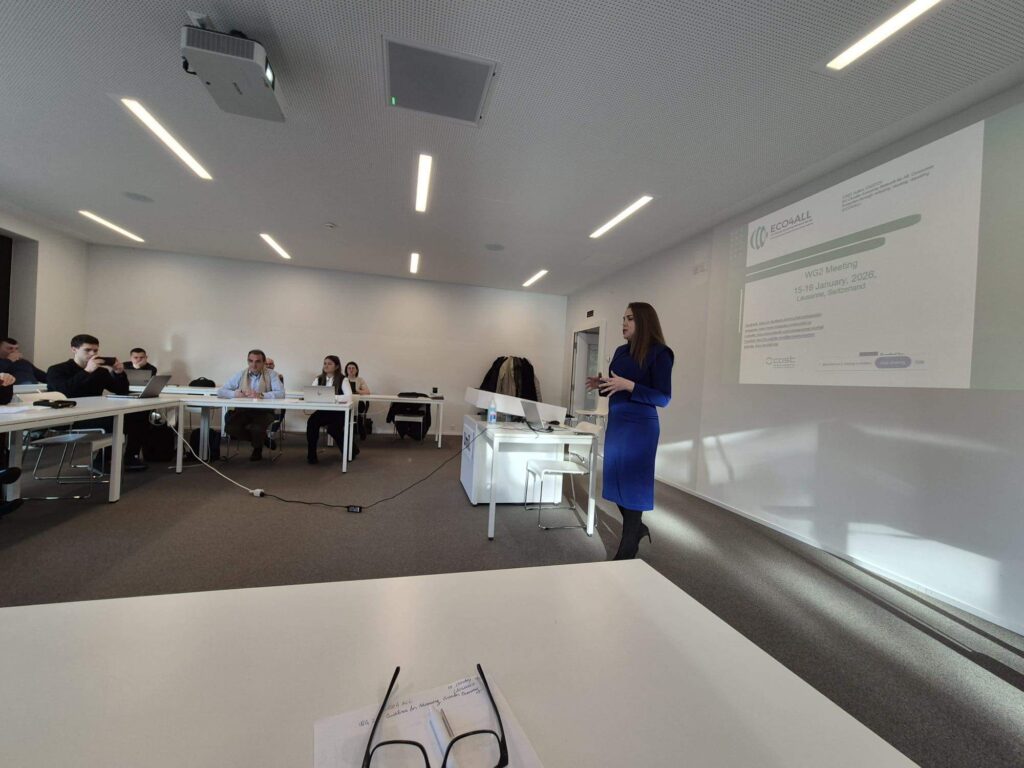
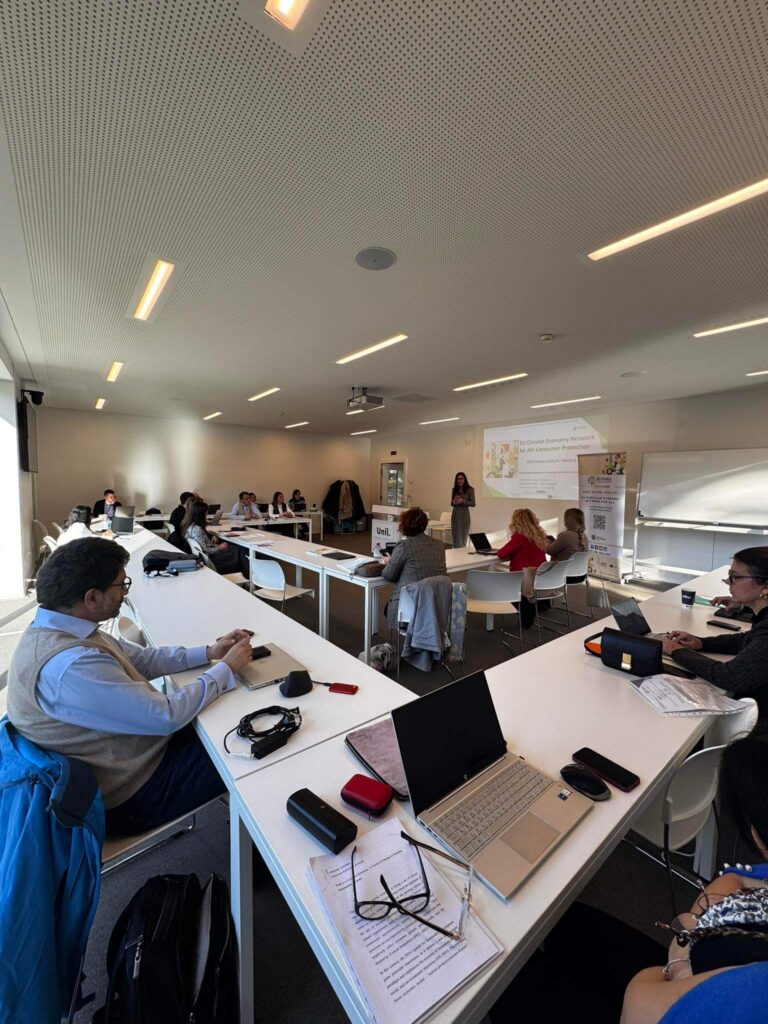
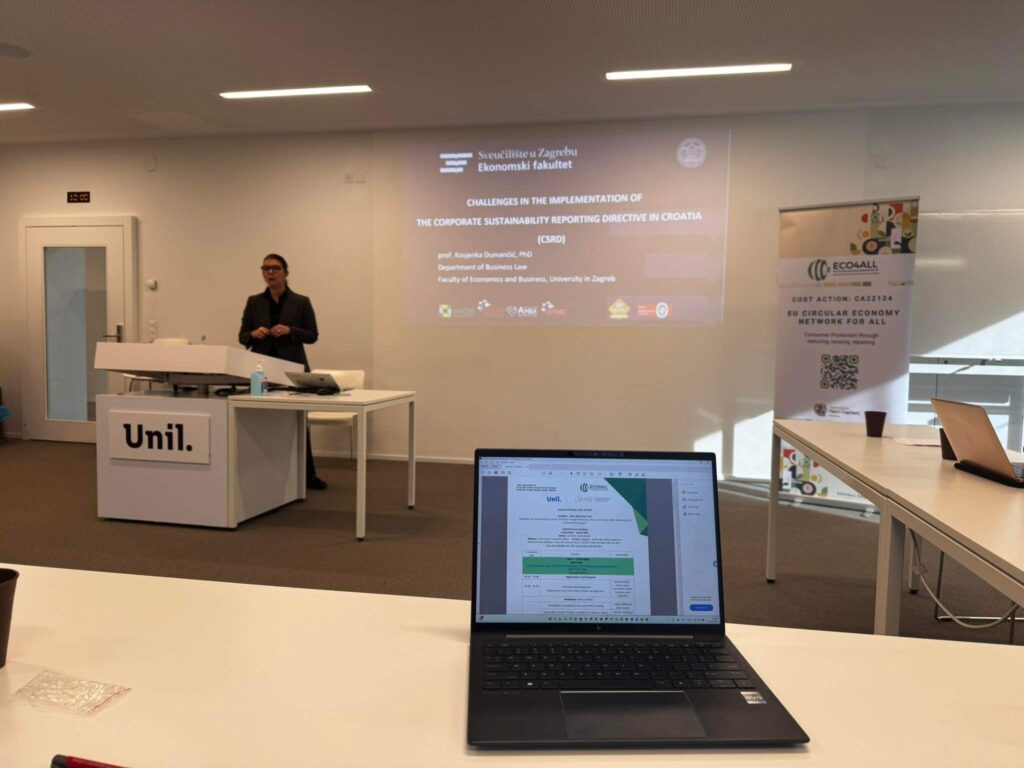
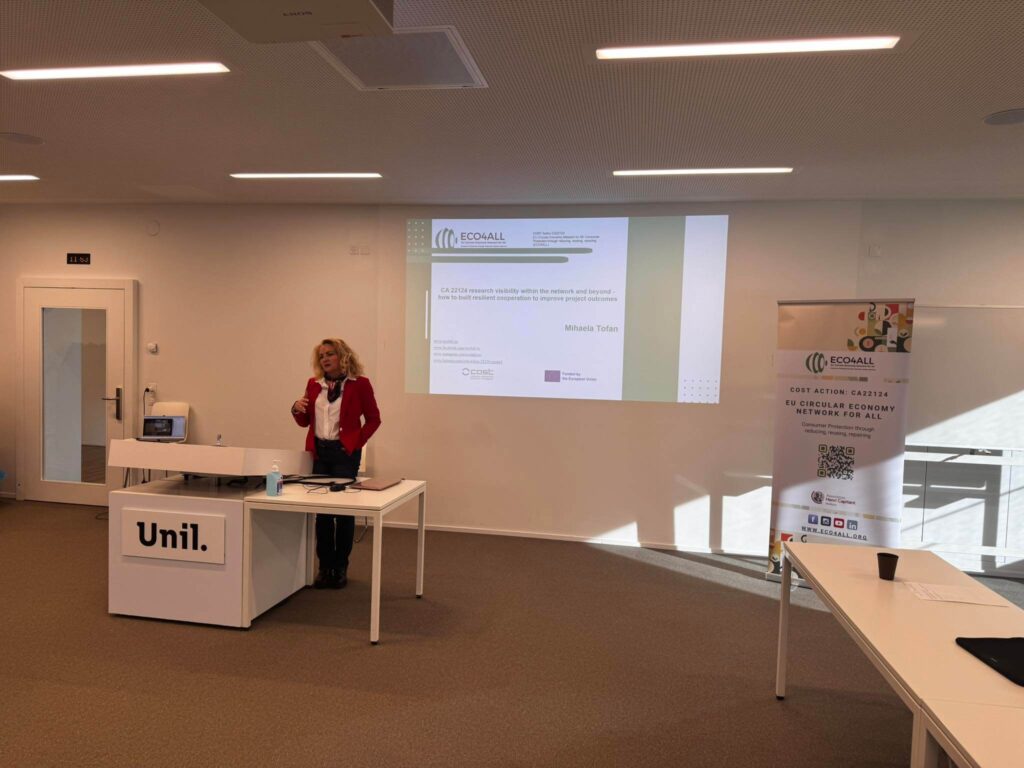
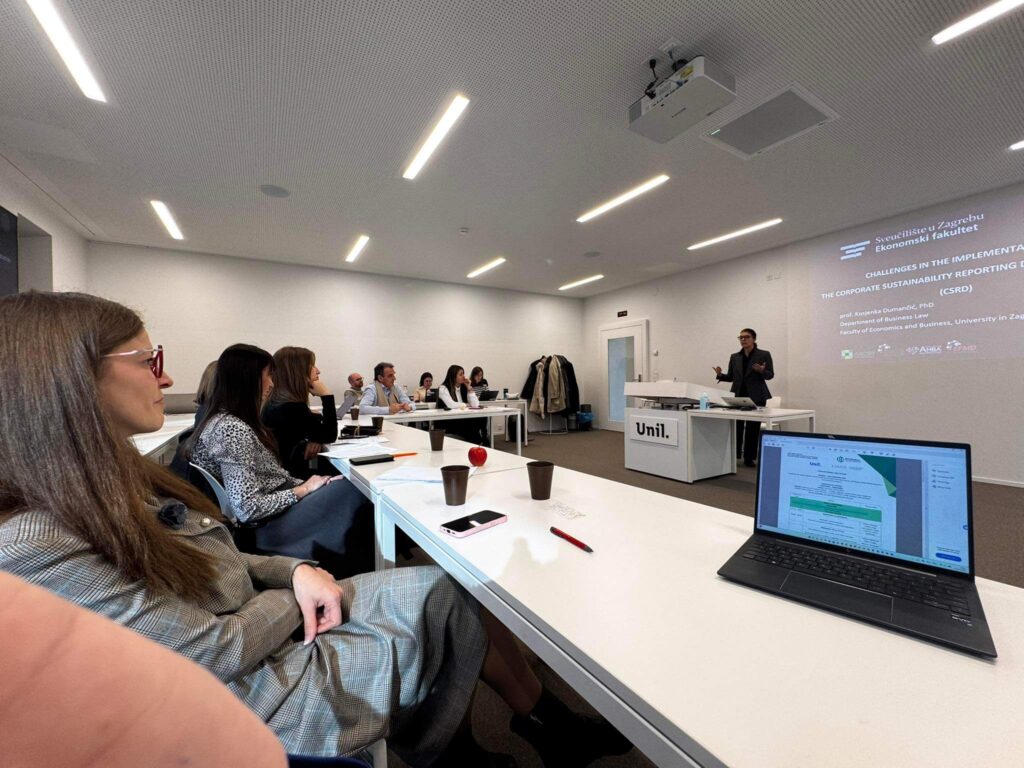
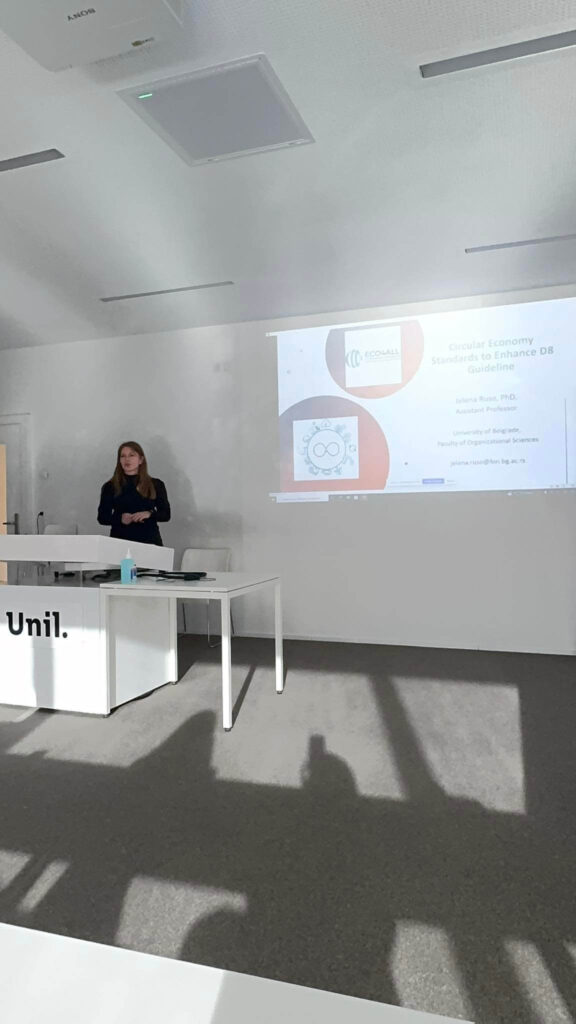
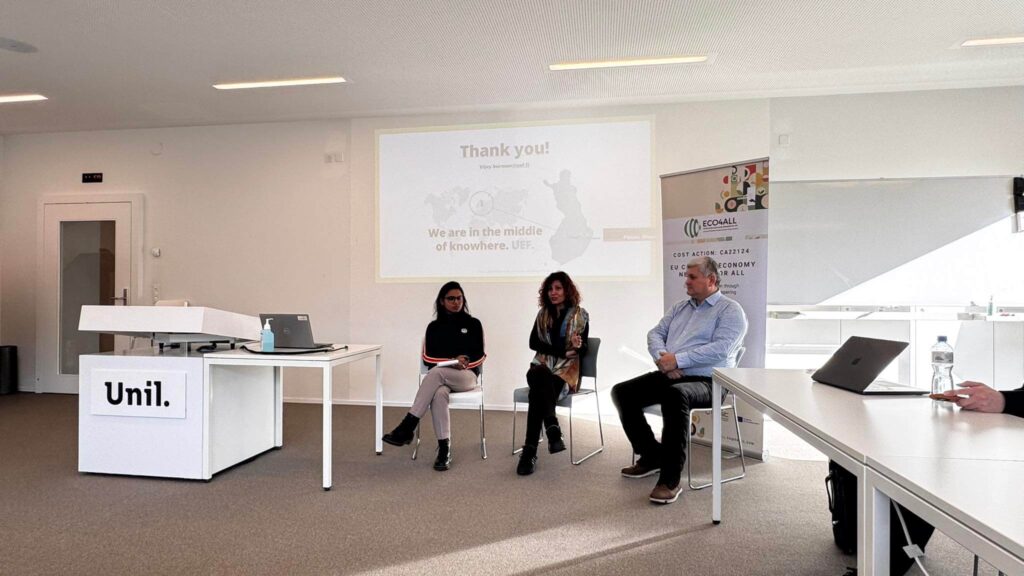
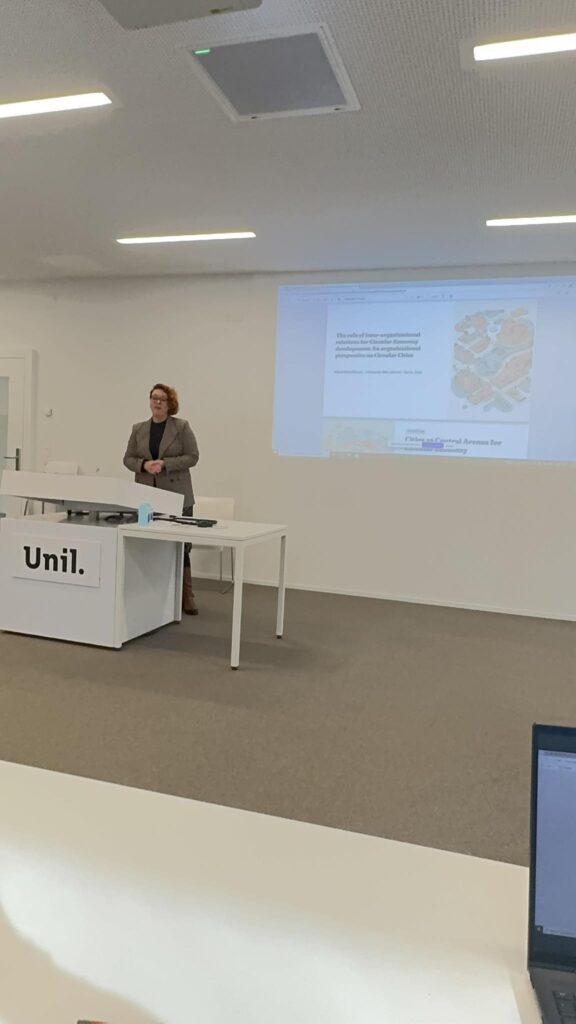
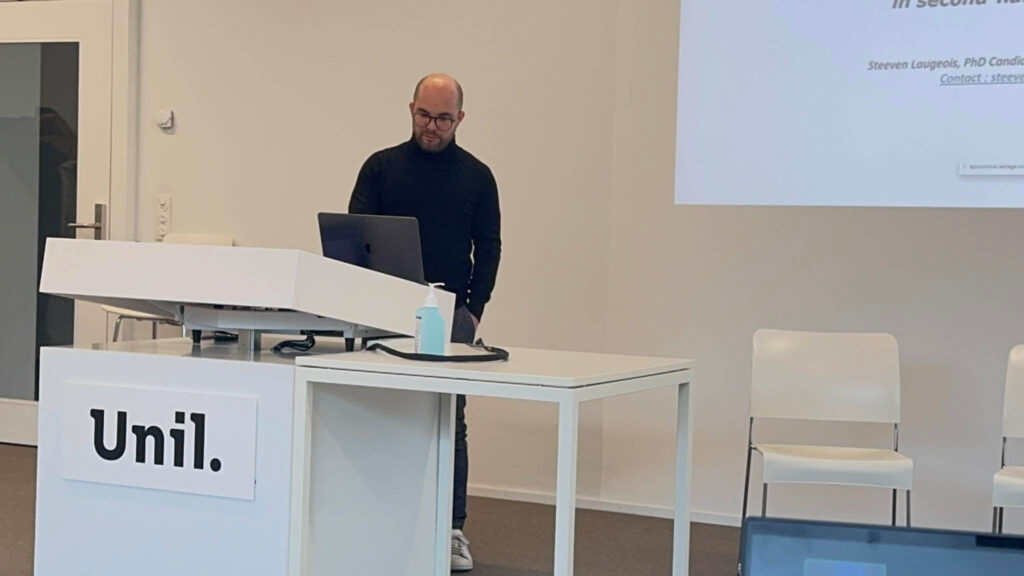
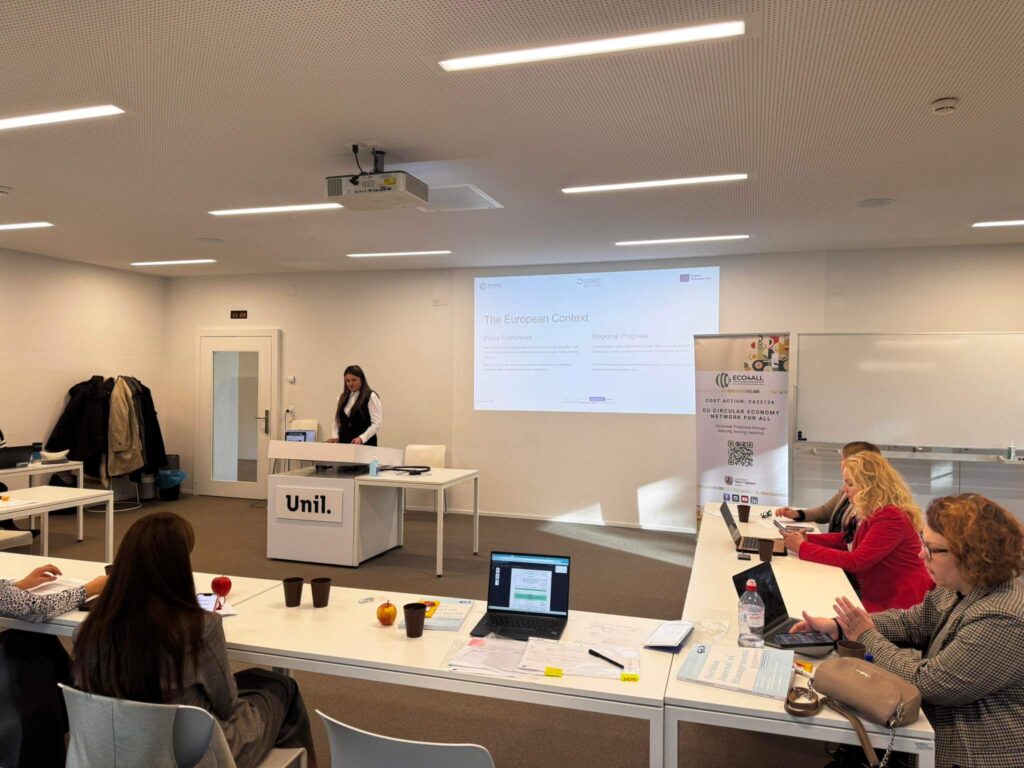
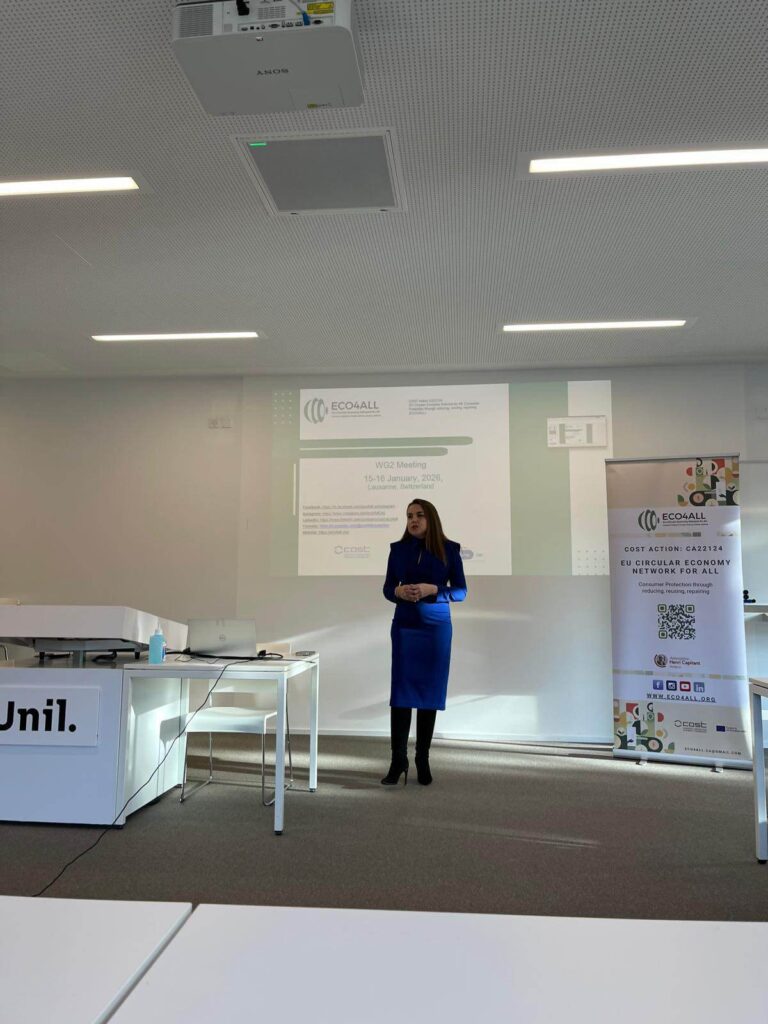
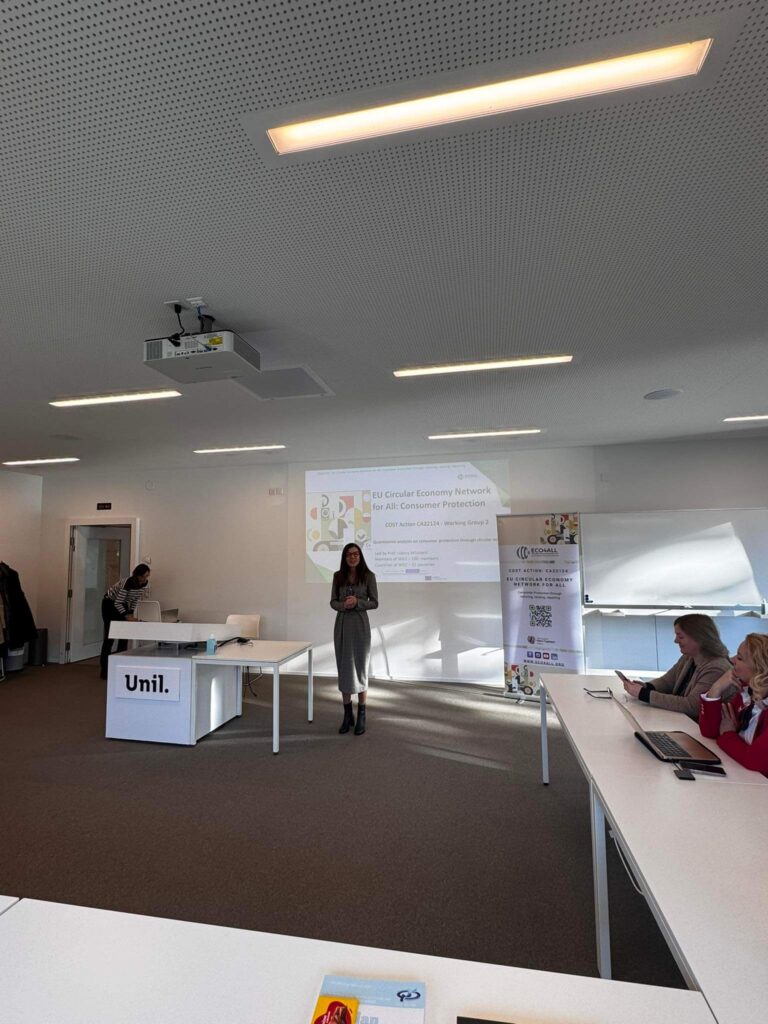
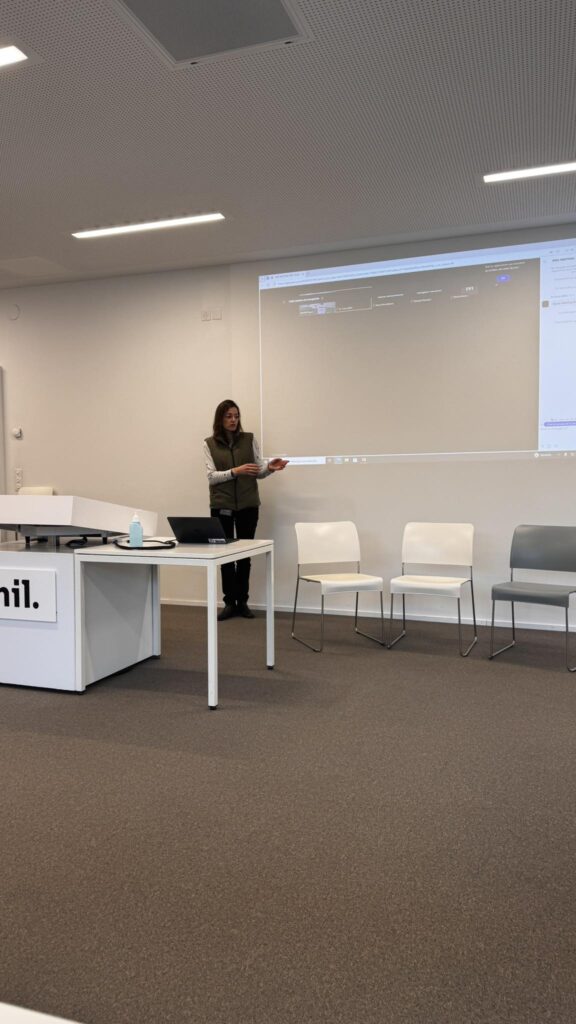
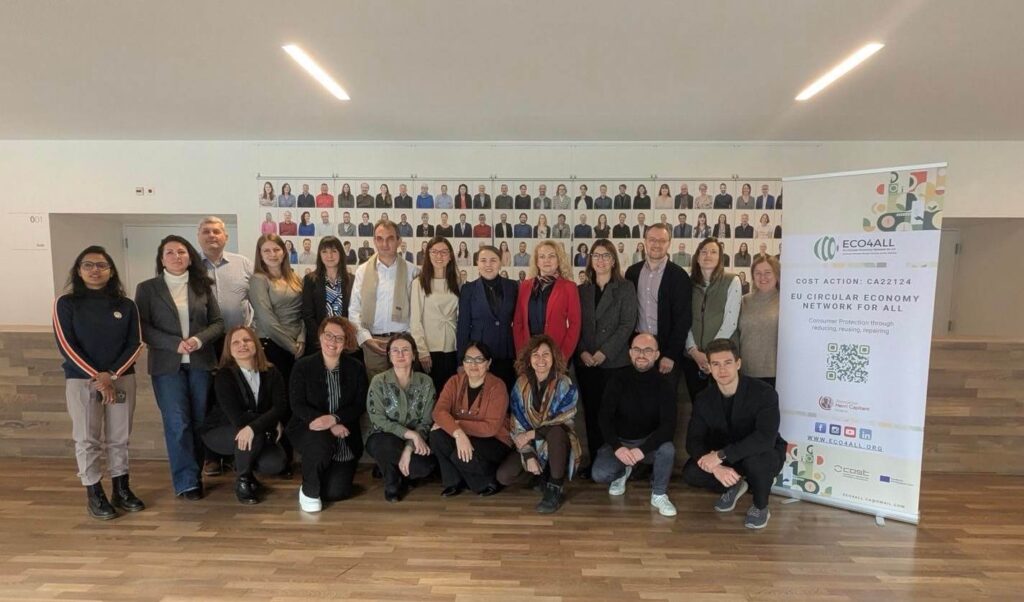
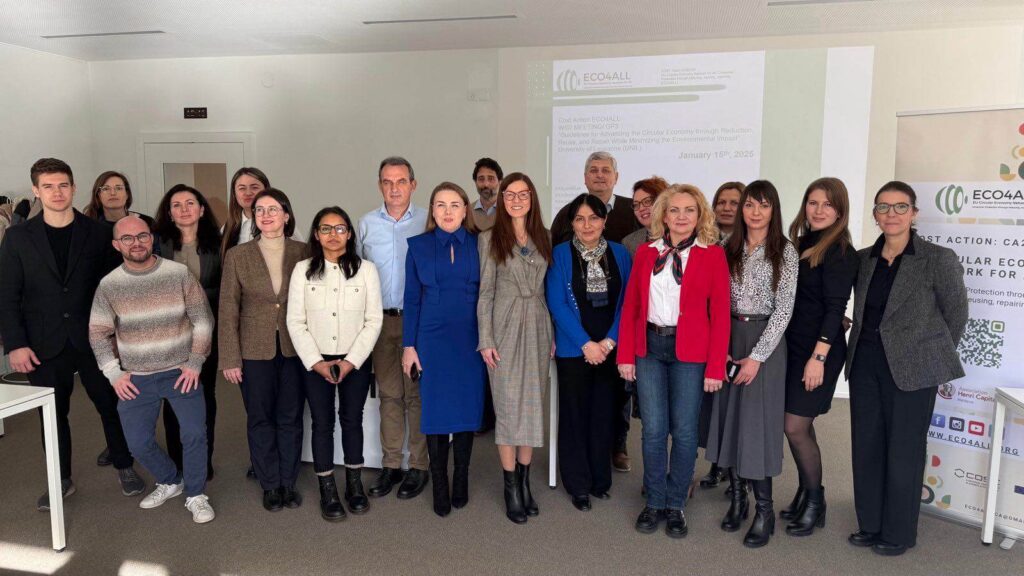
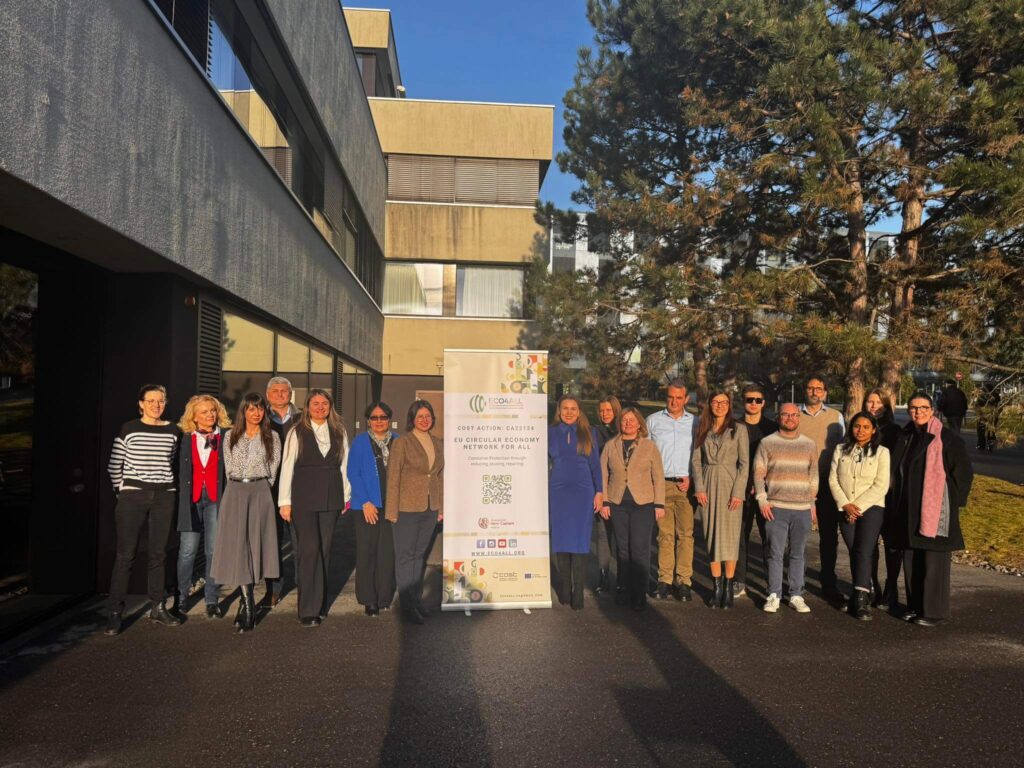
The Working Group 2 (WG2) meeting of COST Action CA22124 – ECO4ALL took place in Lausanne, Switzerland, on 15–16 January 2026, hosted by the University of Lausanne – IDHEAP. The event was organised in a hybrid format and brought together a wide range of participants from across Europe.
The meeting was co-organised with COST Action CA22110 – LIAISE, as part of a strategic effort to strengthen cross-Action collaboration. This cooperation created an opportunity for sharing expertise, aligning methodologies, and generating new perspectives on circular economy challenges.
Over the course of two intensive days, the event welcomed approximately 50 participants, including online attendees. Twenty ECO4ALL members and five invited participants from LIAISE joined in person, engaging in open dialogue and multidisciplinary exchange. Their joint presence enhanced the scientific scope of the meeting and reinforced synergies between the two Actions.
The thematic focus of the event was the development of guidelines for advancing the circular economy through reduction, reuse, and repair, while minimising environmental impact. Presentations and discussions covered a wide range of topics, including:
- Consumer engagement in sustainable behaviour change
- ESG reporting and the role of digital platforms in reuse
- Legal and policy frameworks for circularity
- AI regulation and sustainability in small electronics
- Circularity in public services such as healthcare
- Governance mechanisms supporting repair and reuse models
Sessions were led by researchers and practitioners from both Actions, combining theoretical contributions with practical case studies and policy insights. The event also included working sessions aimed at shaping WG2 deliverables for GP3 and reinforcing transnational collaboration aligned with the goals of the European Green Deal.
This meeting served as a key milestone in the implementation of ECO4ALL’s Working Group 2 activities and contributed to the broader visibility and outreach of both participating COST Actions.
The first day of the ECO4ALL WG2 meeting focused on the systemic and institutional foundations of the circular economy, with particular emphasis on the principles of reduction, reuse, and repair as core policy objectives.
Key discussions addressed:
- the development of guidelines for sustainable circular practices;
- the role of quality infrastructure and inter-organizational cooperation in enabling circular economy transitions;
- corporate sustainability and non-financial reporting, including ESG and the Corporate Sustainability Reporting Directive (CSRD);
- strategies for improving research visibility and resilient cooperation within international networks;
public policy instruments and economic governance, illustrated through national-level perspectives, including Moldova.
Overall, Day 1 established a normative, regulatory, and governance framework for circular economy implementation, highlighting the importance of coordinated institutional action and evidence-based policymaking.
The second day shifted the focus toward practical implementation and consumer-oriented dimensions of the circular economy, particularly in digital and technology-driven contexts.
Sessions explored:
- the design of translational toolkits to support sharing and reuse economies;
- consumer rights and digital product sustainability, including the regulatory implications of AI-powered devices for circular economy objectives;
- legal challenges related to the reuse of digital products and second-hand storage devices;
- the right to customization and repair as tools for empowering users of digital products and services;
- consumer behavior, social engagement, and the role of users in driving circular transformation;
- sector-specific applications, including healthcare, and the impact of geopolitical instability on circularity and economic resilience.
Day 2 emphasized a consumer-focused and technology-aware perspective, demonstrating how legal frameworks, digital innovation, and user empowerment can jointly support circular economy goals.
The two-day meeting provided a comprehensive and interdisciplinary overview of circular economy development, successfully bridging policy and governance frameworks with consumer rights, digital sustainability, and applied legal solutions. The discussions reinforced the central role of law, technology, and institutional cooperation in advancing circular economy principles across sectors and jurisdictions.