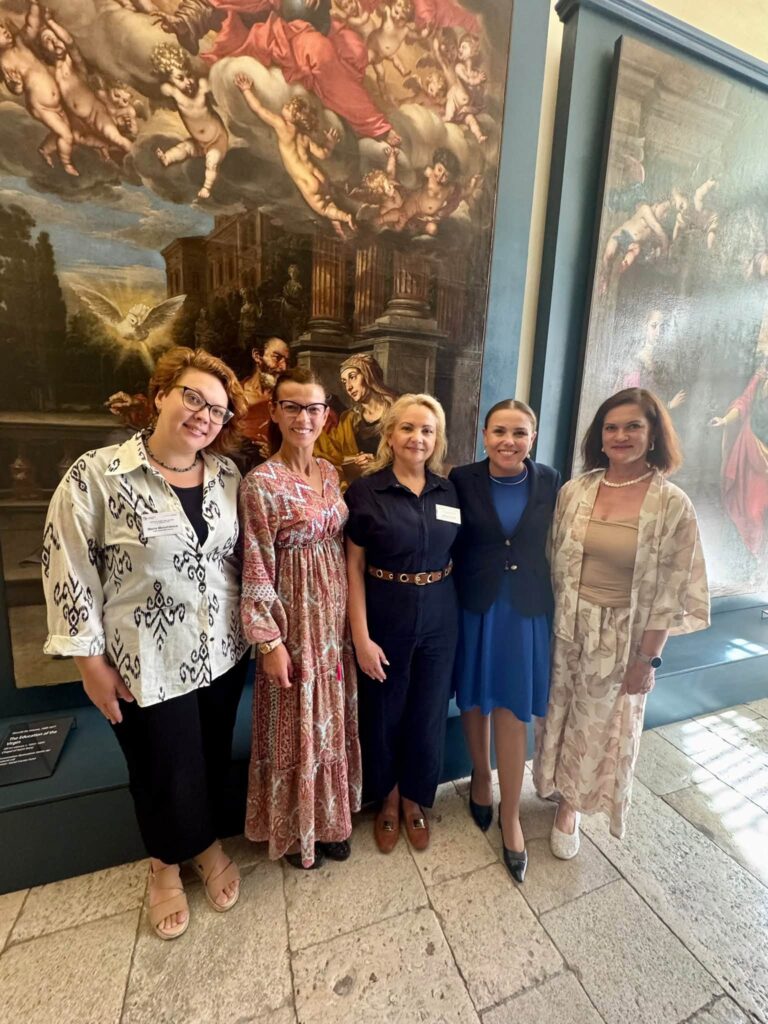
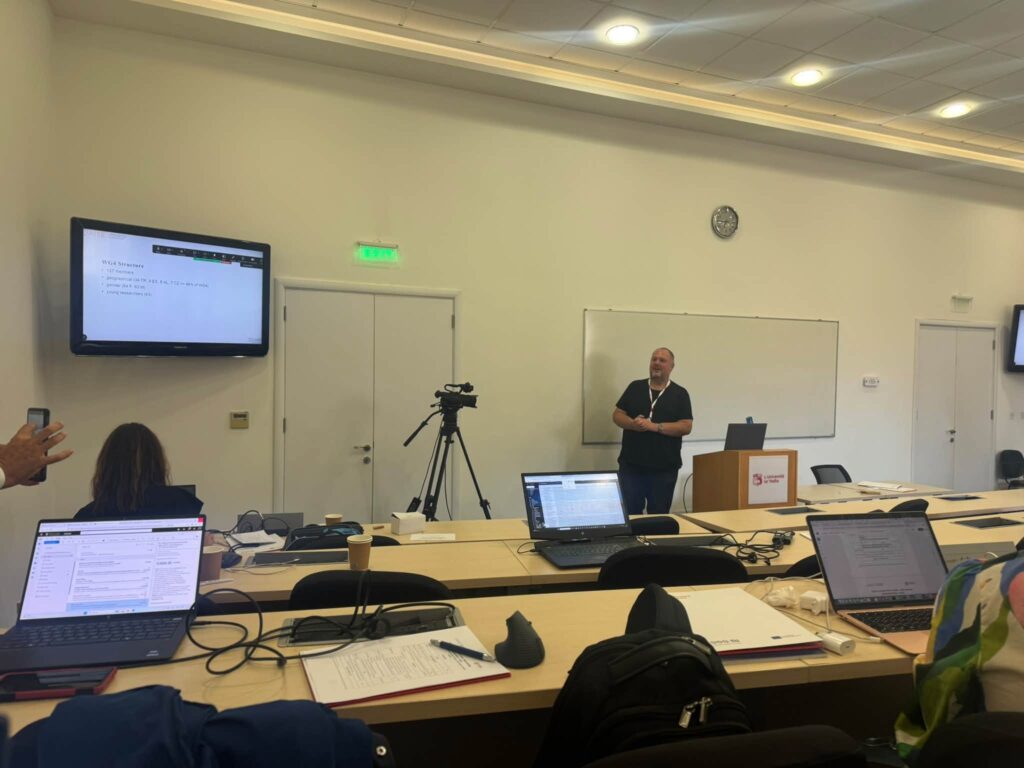
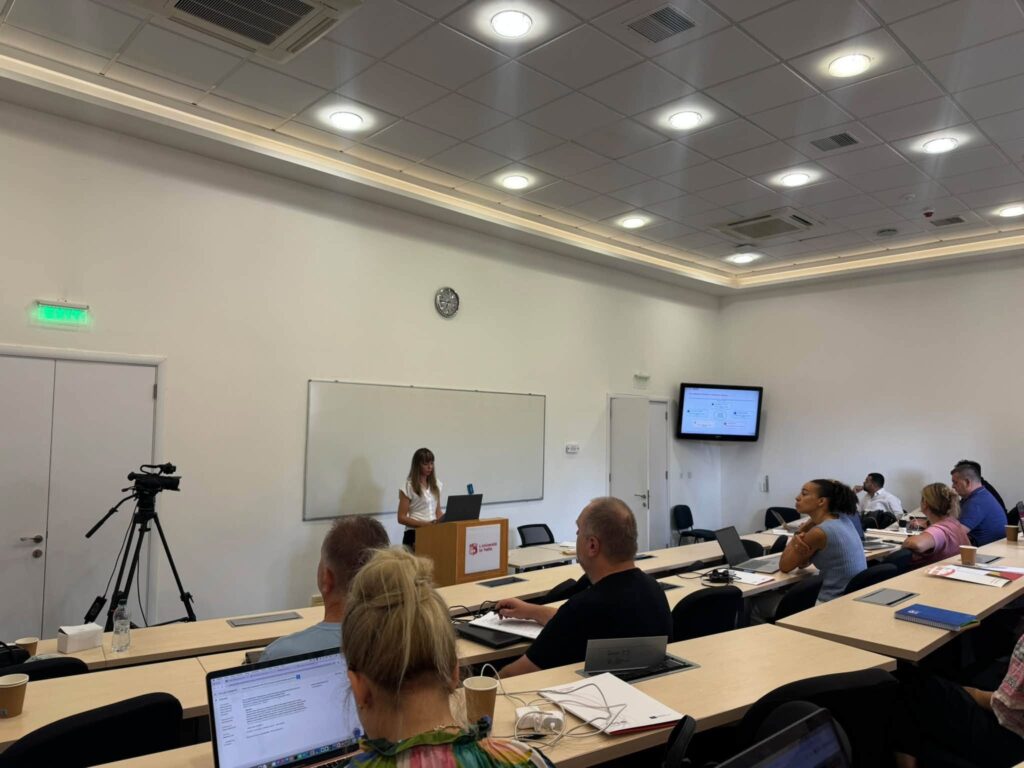
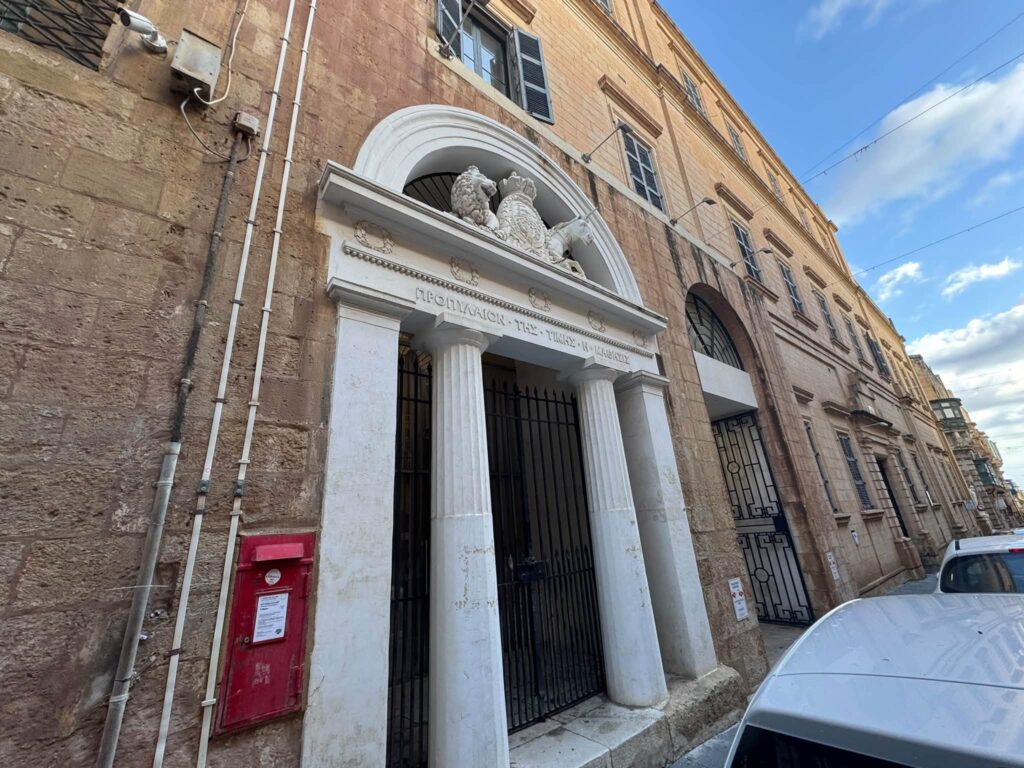
On 23–24 September 2026, members of COST Action CA22124 – ECO4ALL joined researchers and experts from COST Action CA22110 – LIAISE for a two-day Working Groups meeting hosted by the University of Malta in Valletta.
The Malta meeting marked another important step in a cooperation that has progressively developed between the two COST Actions. What began through shared scientific activities and networking has evolved into a broader dialogue on how two complementary perspectives can contribute to the transition towards a more sustainable and inclusive circular economy.
Throughout the two-day programme, participants explored key aspects of Industrial Symbiosis, including implementation roadmaps, governance and policy mapping, sustainable and innovative circular business models, dissemination and exploitation of research results. The discussions provided a natural meeting point for LIAISE and ECO4ALL: while LIAISE approaches circularity primarily through Industrial Symbiosis, cross-border cooperation and implementation between economic actors, ECO4ALL brings the consumer dimension into the discussion, focusing on consumer protection, trust, information, accessibility and participation in circular markets.
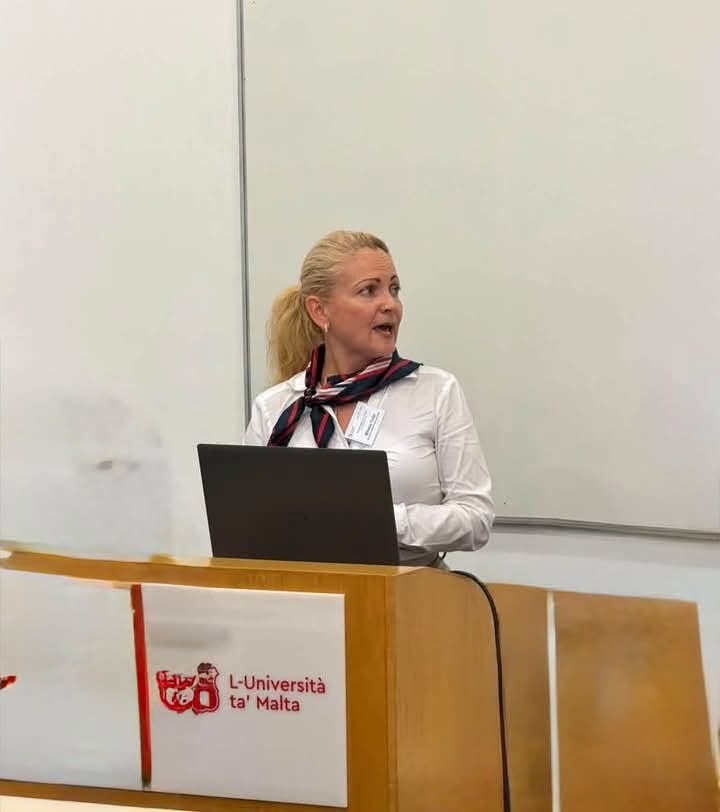
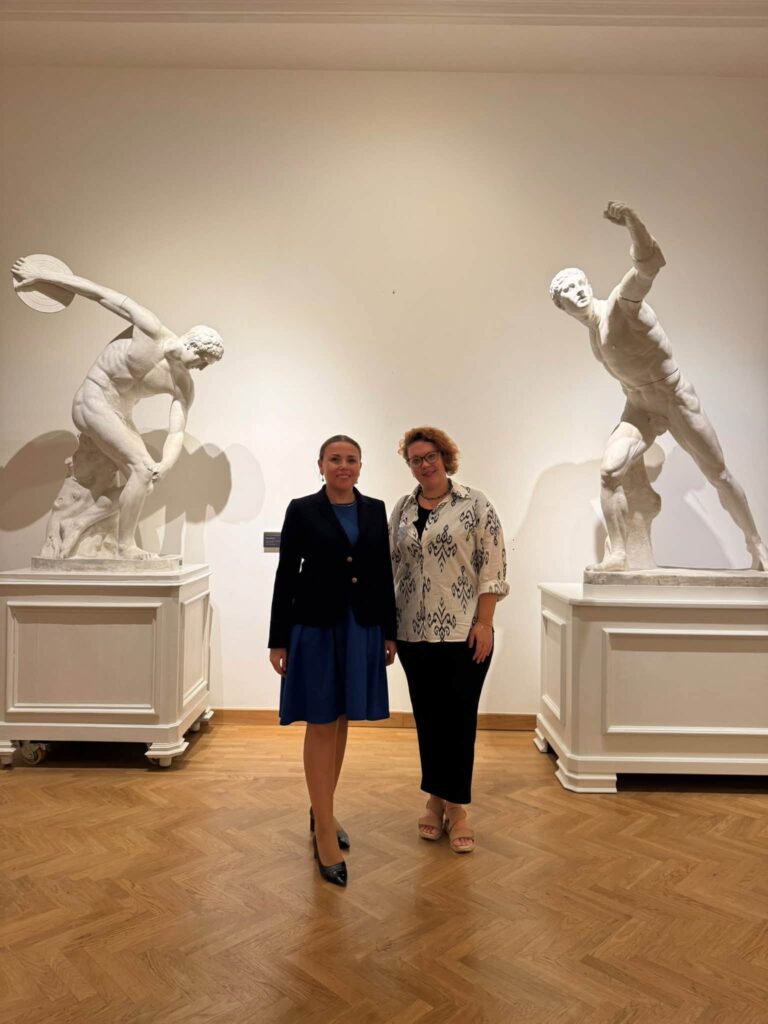
A dedicated session on synergies between COST Actions provided an opportunity to present ECO4ALL’s main scientific results and its potential contribution to future cooperation. Prof. Dr. Mihaela Tofan, Vice-Chair of COST Action CA22124 – ECO4ALL, presented the Action’s achievements and outlined opportunities for transforming the existing collaboration into a more structured and output-oriented partnership.
The presentation highlighted the complementary character of the two networks. LIAISE contributes expertise in Industrial Symbiosis, governance, cross-border transfer and circular business models, while ECO4ALL contributes comparative legal and policy research, consumer protection expertise and stakeholder-oriented approaches. Together, these perspectives raise an important shared question: how can circular systems become not only environmentally and economically effective, but also fair, trusted and accessible to consumers?
Malta was also an opportunity to reflect on a cooperation pathway already built through previous joint activities in Athens, Lausanne and Belgrade. The successive exchanges between the two communities have strengthened scientific networking, researcher mobility and cross-Action visibility, creating a solid basis for moving from individual synergy events towards sustained cooperation.
Looking ahead, ECO4ALL proposed several practical avenues for collaboration during 2026–2027, including joint capacity-building activities, Short-Term Scientific Missions, a joint webinar, scientific and policy-oriented publications, stakeholder cross-mapping and reciprocal participation in final dissemination and legacy activities. A possible common scientific theme was also identified around Industrial Symbiosis as a driver of a consumer-centred circular economy, connecting sustainability impact assessment with consumer rights, trust, fairness and behavioural uptake.
The Malta meeting therefore represented more than another joint event. It demonstrated how cooperation between COST Actions can connect different disciplinary and policy perspectives and turn established networks into opportunities for common scientific outputs and longer-term impact.
ECO4ALL warmly thanks the LIAISE team and the University of Malta for hosting the meeting and for the constructive exchange. Building on the experience of Athens, Lausanne, Belgrade and Malta, the two communities now have an opportunity to transform their established synergy into a shared scientific and policy legacy.